

From Building Wealth to Using It Well
For many families, financial planning eventually becomes less about accumulation and more about clarity, longevity, and legacy. Questions shift from “Am I saving enough?” to “How do I use what I’ve built wisely, protect it, and pass it on intentionally?”
We work with families who want a structured, thoughtful approach to managing wealth that balances retirement security with long-term legacy goals.


Who We Work With
We work primarily with families who have reached or are approaching retirement and are thinking more seriously about estate planning, legacy, and long-term financial stewardship. This often includes:
Many of the families we work with are financially comfortable but want greater clarity around how to balance personal security with what they leave behind.
Tax-Aware Planning Across a Lifetime
For high-net-worth families, managing taxes effectively requires both short-term and long-term thinking. Our role is not tax preparation, but helping families make decisions that shape how taxes are paid over time, coordinated with their CPA.
Planning conversations may include:
- Evaluating which assets should be drawn from for income
- Coordinating charitable intentions with tax efficiency
- Understanding how legacy assets will be taxed for heirs
- Managing taxes not just this year, but across a lifetime


Insurance and Risk Management for Legacy Protection
Certain risks can significantly erode wealth if left unmanaged. We help families review and plan around risks that could compromise long-term goals.
These conversations may include:
- Long-term care planning and its impact on legacy
- The role of life insurance in a legacy plan
- Reviewing broader coverage such as home, auto, and umbrella policies
- Making sure unforeseen events do not disrupt carefully laid plans
Risk management is viewed through the lens of protecting both lifestyle and legacy.
Investment Planning Through Asset Segmentation
Not all assets serve the same purpose. We help families separate assets intended to support retirement income from those earmarked for legacy or long-term goals, so that:
- Income-focused assets are managed for stability and risk control
- Legacy-oriented assets can be positioned for a longer time horizon
- Investment strategy lines up clearly with each pool’s purpose
Separating assets this way can help reduce emotional decision-making during periods of market volatility.


Charitable Planning and Intentional Giving
Many families want to give back but are unsure how to do so efficiently. We help families think through charitable giving strategies that align with their values while being mindful of tax considerations.
Planning discussions often focus on:
- Balancing charitable giving during life versus at death
- Understanding the tax implications of different giving approaches, with your CPA
- Creating a structured plan that supports long-term charitable intent
- Giving generously without sacrificing personal security
Charitable planning is integrated alongside estate and tax-aware planning, not treated as a standalone decision.
Who Leads This Work
Frank Busichio, CFP® leads Ascent’s work with high-net-worth families and retirees. Espen Platou works alongside him with younger families and the next generation, so planning carries across generations.
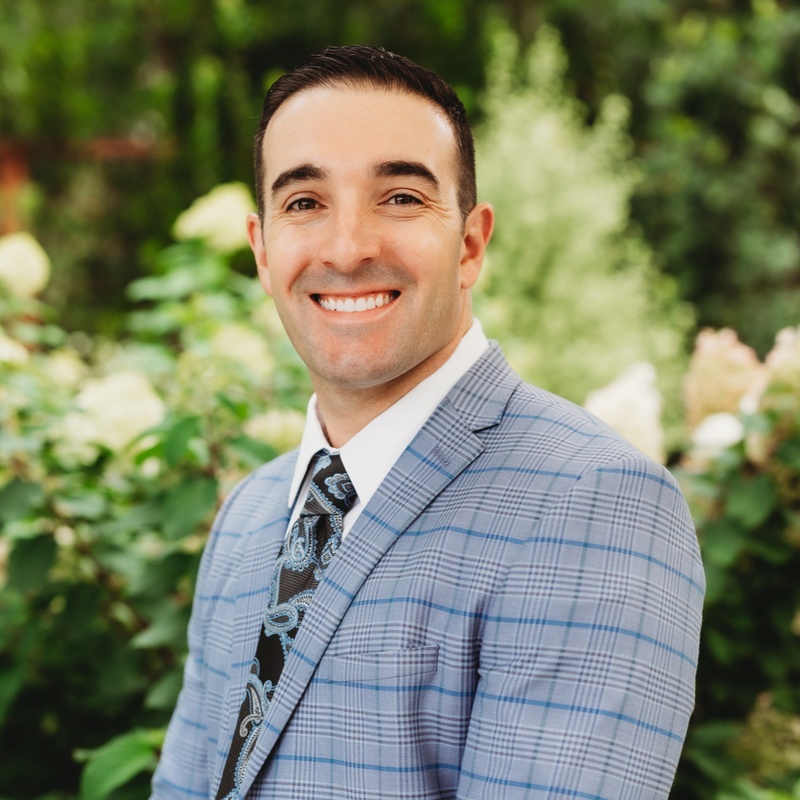
Partner, CFP® Professional
Leads planning for retirees and high-net-worth families: retirement income, qualified plans, and coordination with estate attorneys and CPAs on legacy and charitable goals.
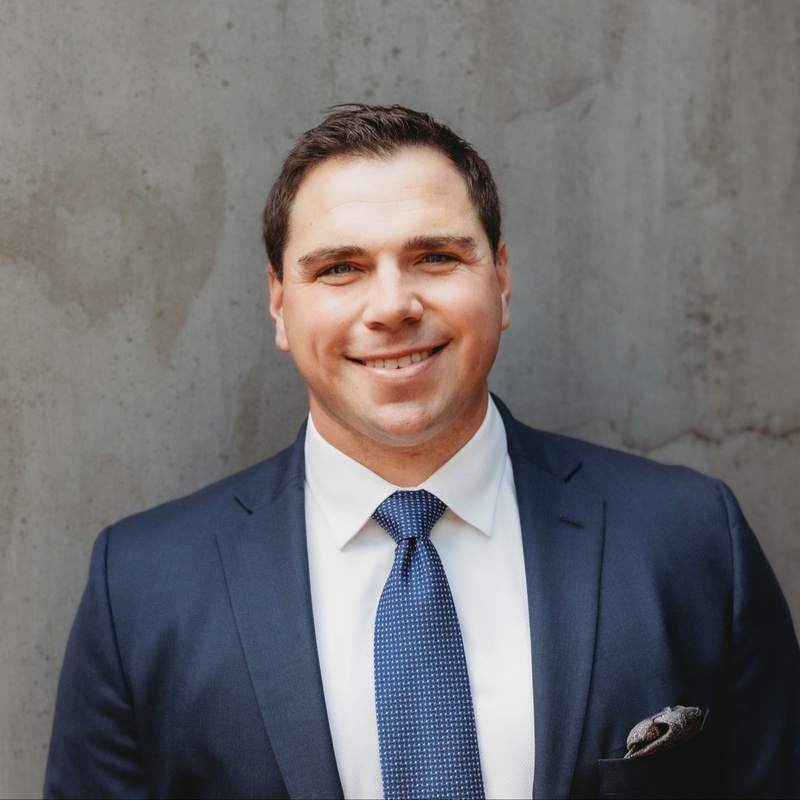
Partner, Financial Advisor
Works with families still building wealth and with the next generation of client families, so the plan holds together as assets pass from one generation to the next.
Based in Kirkland, Serving Families Nationwide
Ascent Wealth Solutions is based in Kirkland, Washington and works with families across the Seattle area and the country. Many clients value a consistent planning relationship that adapts as life and family circumstances change.
Related Reading
More reading: Retirement Is Closer Than You Think · Designing a Retirement Portfolio · Navigating Market Volatility · 529s and UTMAs · Real Estate as a Financial Asset · Guide to Investing in Real Estate · Should You Pay Off Your Mortgage Early? · Getting Exposure to Pre-IPO Companies Like SpaceX · What Can I Still Do to Reduce My Taxes After December 31?
Frequently Asked Questions
When should we update our estate plan?
After a marriage, birth, death, move to a new state, business sale, or a major change in assets, and at least every few years. Your estate attorney drafts the documents; we help coordinate beneficiaries, accounts, and the plan around them.
Do you draft wills or trusts?
No. Your estate attorney drafts the documents. We help clarify what the plan needs to accomplish before drafting, then coordinate beneficiary designations, account titling, and trust funding afterward.
How do you decide which accounts to draw from in retirement?
We look at how each account is taxed (taxable, tax-deferred, and Roth), your income needs, and required minimum distributions, then coordinate the sequence with your CPA. The right order differs by household and can change from year to year.
Can charitable giving be coordinated with our tax planning?
Often, yes. Giving appreciated shares instead of cash, grouping several years of gifts into one year, or giving directly from an IRA after age 70½ are common approaches to evaluate with your CPA.